
UNITED PLANTATIONS
COMMUNITY WELFARE
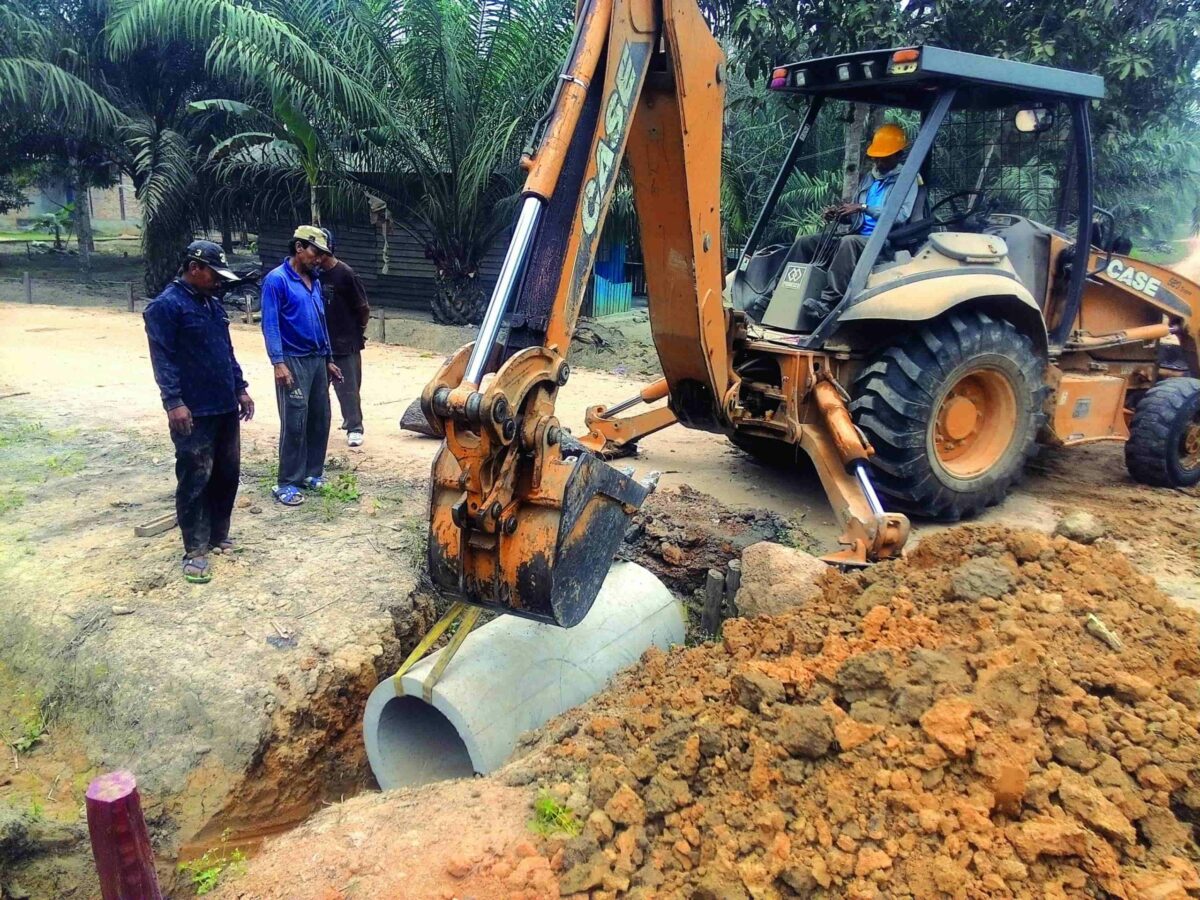
Infrastructure investment and support
Supporting the surrounding communities in the form of investments in infrastructure projects, participation in cultural and sports events as well as religious ceremonies are important avenues to build up a sense of togetherness between the company and neighbouring communities in Indonesia.
Social Commitments
Our Company’s commitment towards providing and improving social amenities remains very much a hallmark within our Group. Continuous improvements were made to maintain the highest possible welfare standards for our workforce and ensure high standard educational facilities for the children. Scholarships are provided to needy children among the Indonesian villages in which we operate.
LANDSCAPE APPROACH
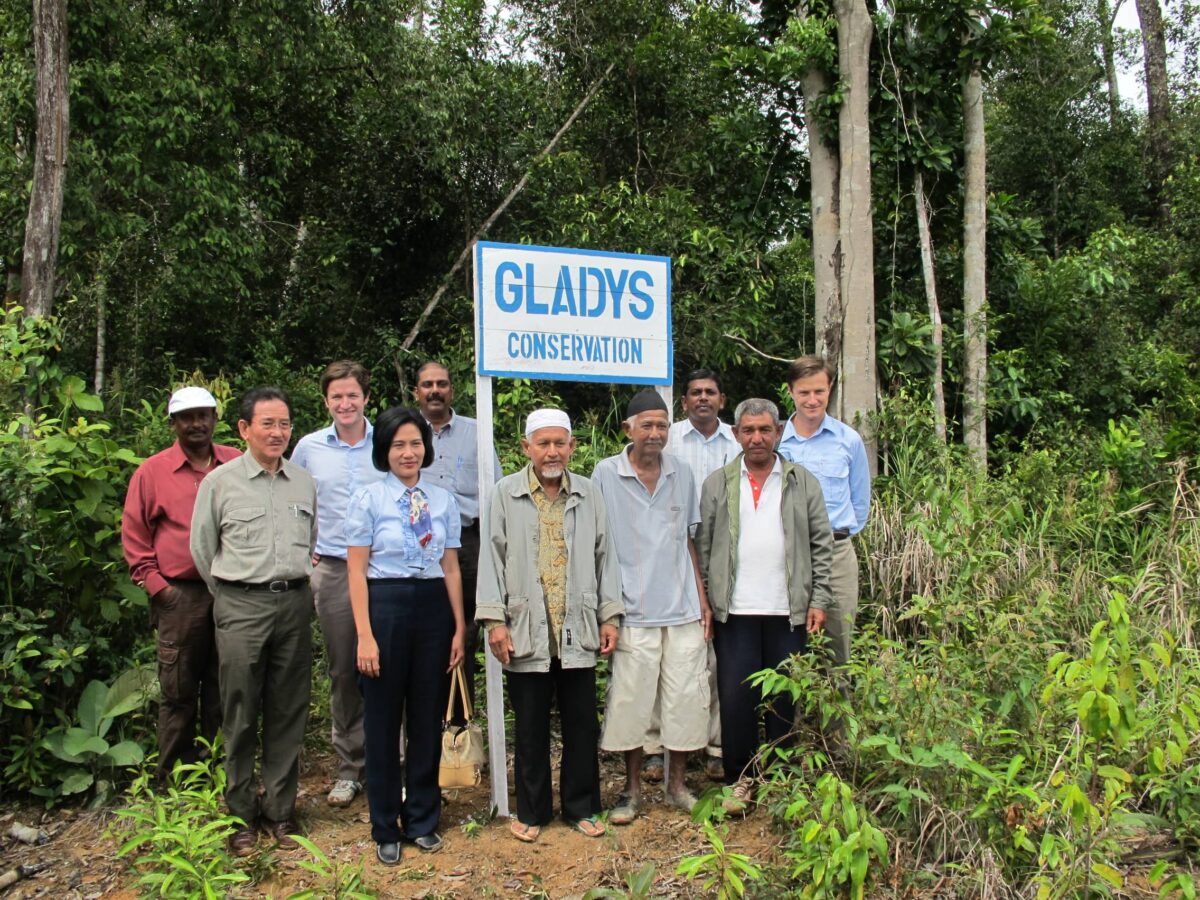
A landscape approach is about having community discuss and agree on various sustainability issues that provide an optimal balance between community, commercial and conservation interests.
The community engagement process which includes a proactive and both formal and informal approach, is carried out to fully understand their sustainability concerns and issues with a view to ensuring that their key interests in these areas are aligned with that of our Group. Partnership with the local communities is crucial to achieve success in Indonesia and it is therefore of utmost importance that the local communities also benefit from UP’s development.
CONTINUOUS STAKEHOLDER ENGAGEMENT
Stakeholders Meeting
Annual stakeholders Meeting is organized by respective business units annually with participation of stakeholders from government authority, NGOs, suppliers, contractors, neighbouring estates and smallholders, local communities, Union representatives, guest workers representatives and temple/surau/church committee chairman.
Our obligation to a mutually agreed and documented system to deal with complaints and grievances, which is implemented and accepted by all parties.
Grievance Procedure for Whistleblowers
We are committed to high standards of ethical, moral and legal business conduct. This policy aims to provide an avenue for employees, suppliers and other stakeholders to raise concerns and reassurance that they will be protected from reprisals or victimization for whistleblowing. Concerns expressed anonymously will be explored appropriately.
For further details on our Whistleblowers Policy, please refer to www.unitedplantations.com
The policy is intended to cover protection for the whistleblower when raising concerns regarding United Plantations Berhad Group, such as concerns regarding:
Incorrect financial reporting;
Unlawful activities including corruption and bribes solicitation and;
Activities that are not in line with United Plantations Berhad policy, including the Code of Business Conduct; and
Activities, which otherwise amount to serious improper conduct.
Land disputes can be based on many different variables and reasons. Some cases are genuine and can be due to historical reasons, bad heritage, misunderstanding and miscommunication, cases of wrongful compensation amounts and frivolous claims. It is however extremely important that land disputes are taken seriously and are well documented in order to ensure transparency and evidence in connection with various ongoing cases.
UP has been involved with several thousand land deals with the local community and whilst most cases of disputes have been amicably resolved, there still exists unresolved cases that are in the process of being resolved based on facts and full transparency under our Standard Operating Procedure (SOP) for Land Disputes Settlement as per FPIC.
UP has engagements with various stakeholders in and around our areas of operation. Our engagement approach varies for formal to informal. The external stakeholders include statutory bodies, NGOs, local communities, smallholders, third party FFB suppliers and long term service providers or contractors.
All enquiries by stakeholders are recorded and monitored in order to resolve any ongoing issues as sustainable development cannot be achieved without engagement with stakeholders.
Grievance Procedure for Stakeholder Issues
Under our MSPO, ISPO and RSPO framework, we are obligated to deal with issues openly. The respective Principles and Criteria states the need for a commitment to transparency and a mutually agreed system for dealing with complaints and grievances shall be in place and implemented. This procedure is given to ensure that local and other interested parties understand the communications and consultation process for raising any issues with UP.
UP accepts its responsibility as a corporate citizen and wants local communities to be aware and involved in the communications and consultation methods it uses, thereby aiming to resolve grievances (including those originating from employees) through a consultative process and realizes that any system must resolve disputes in an effective, timely and appropriate manner that is open and transparent to any affected party.
Recognising the value and importance of communication and consultation in clearing up misunderstanding/conflicts/grievances or raising any issues with UP, the following procedure is adopted, in an affective, timely and appropriate manner that is open and transparent to any affected parties.
Procedure for Handling External Stakeholders’ Issues
The Company Secretary of United Plantations Berhad will be responsible for the handling of all enquiries and grievances against the Company. The stakeholder may lodge their enquiries/grievances to respective Estate Manager or Head of Department or direct to the Company Secretary. The Company Secretary’s address is as follows:
APICAL
RESPONSIBLE SOURCING
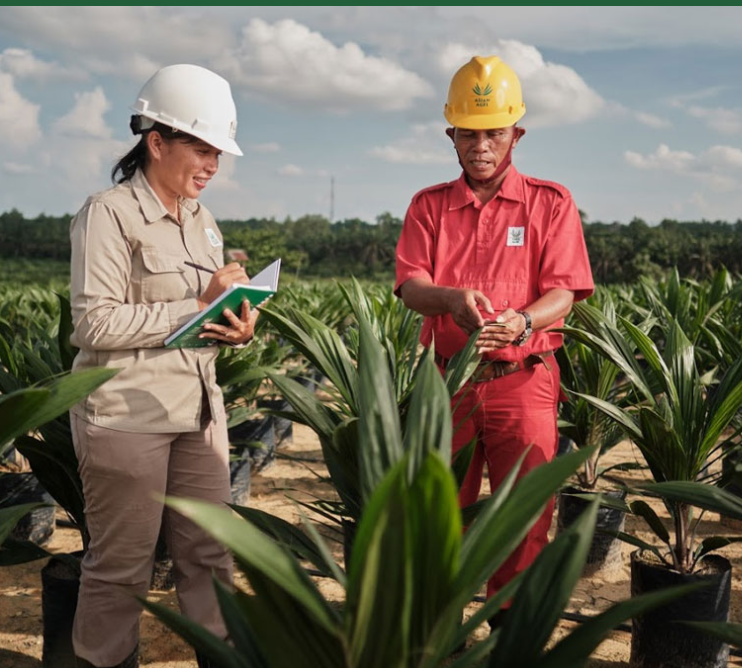
Responsible sourcing through supply chain traceability
As one of the largest processors and traders of palm oil in the world, we have placed sustainability strategically at the core of our business. Our approach to sustainability includes risk-based assessments for supply chain profiling, stakeholder engagement for palm oil traceability and policy compliance and support for suppliers through capacity building and recommendations on sustainable good practices.
Supply chain traceability is a fundamental first step towards producing sustainable palm oil and ensuring the reliability and quality of our raw materials. Traceability lays the groundwork for compliance with our Sustainability Policy by revealing where our supply comes from and helps us identify priority suppliers to engage with for improved agricultural practices.
MILL PRIORITISATION PROCESS (MPP)
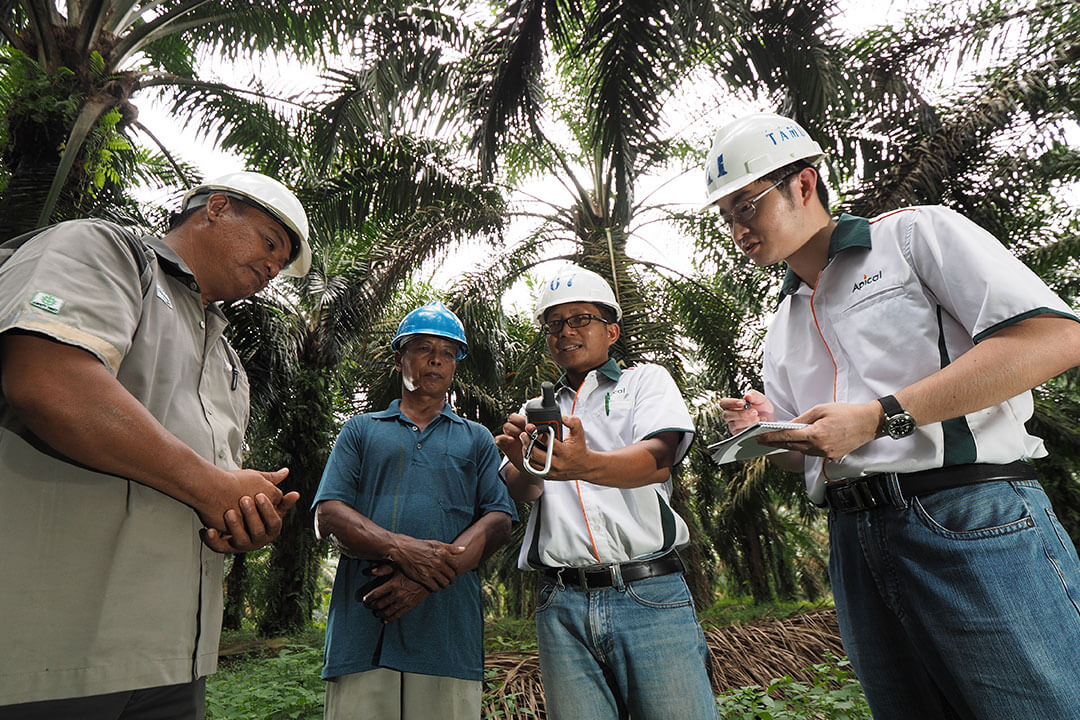
The MPP is a risk-based approach used to identify priority mills for deeper engagement. The process involves analysing geospatial and non-spatial parameters to identify potential sustainability risks associated with the supplying mills. Geospatial parameters identify risks linked to fire, deforestation, protected areas, and peatlands within a 50km radius of a supplying mill.
Non-spatial parameters focus on identifying issues related to communities, environmental, social, legal, and ongoing grievances that may occur in a mill’s FFB supply chain, based on publicly reported information from sources such as the media and external reports. High-impact suppliers that have long-term business relations with Apical are also prioritised for engagement. All of our suppliers are assessed under the MPP. Risk levels are updated monthly based on the parameters of the MPP.
SUSTAINABLE POLICY
Sustainability Policy
Our enhanced Sustainability Policy 2023 marks a significant leap forward in our journey to fuel transformative change towards a sustainable and deforestation-free supply chain. Since its initial launch in September 2014, we have remained steadfast in our commitment to adopting sustainable practices and being a responsible corporate citizen. Our Policy outlines our commitment to ensure that sustainable practices are implemented throughout the entire value chain of our palm oil production, from cultivation to processing and delivery to end-users.
Apical is committed to building a traceable, sustainable and deforestation-free palm oil supply chain.
Stronger No Deforestation, No Peat, and No Exploitation (NDPE) commitments for suppliers to comply with the December 2015 cut-off date
- Commitment to combatting climate change aligned with the 1.5°C global warming target set out in the Paris Agreement through Apical2030 roadmap
- Committed to preserving and enhancing biodiversity in landscapes and supply chains
- Committed to upholding international human rights standards across our operations and supply chain
- Committed to continuously fostering inclusivity by supporting smallholders
- Prioritising accountability across the supply chain by ensuring commitment from suppliers
- Proactively align to emerging sustainability regulations